In a series of new videos Emma van der Put observed the current Brussels Expo area. Ideologically and systematically, this location was formed by the world exhibitions that took place in Brussels, of which Expo '58 probably had the most influence on the urban development of the capital. As the first world exhibition after the Second World War, this 'world event', which focussed on progress, solidarity and humanism, became an important manifestation of ideas and dreams about a better future. Western Europe was recovering from the war with help from the United States through its 'Marshall Plan'.
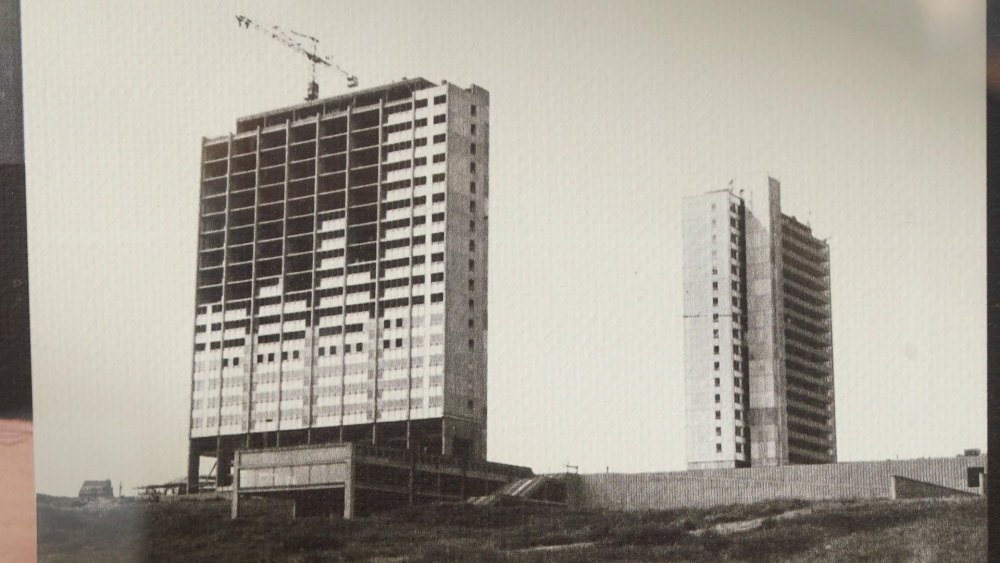
High hopes were set on technological progress as the way to a prosperous and peaceful future. As a part of Expo ‘58 a model neighbourhood, the so-called 'Modelwijk / Cité Modèle', was built on site and would give visitors of the fair a concrete example of the ideals about modern living.
Although only a few of the pavilions of the bygone Wold Fairs remain, the model neighbourhood is still inhabited today. The clash between ideal and reality, the passage of time and the concrete use of the neighbourhood have made it into a different habitat than how it was originally conceived. With an observing gaze, Van der Put shows the area of the world exhibitions, with a preview of the future. There are plans to fully modernize this part of the European capital in the coming years, adding a new chapter to the wishful thinking about an ideal society.
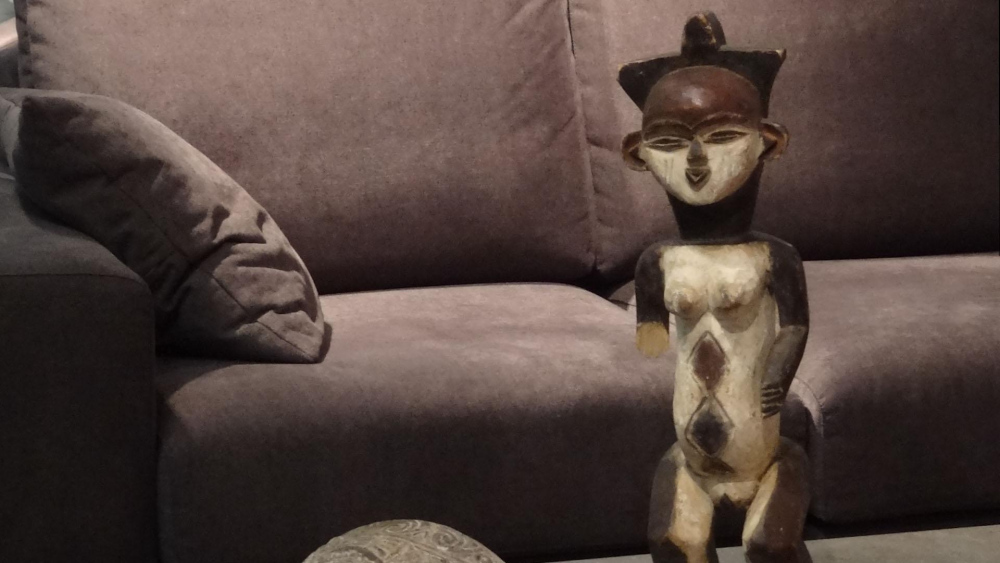
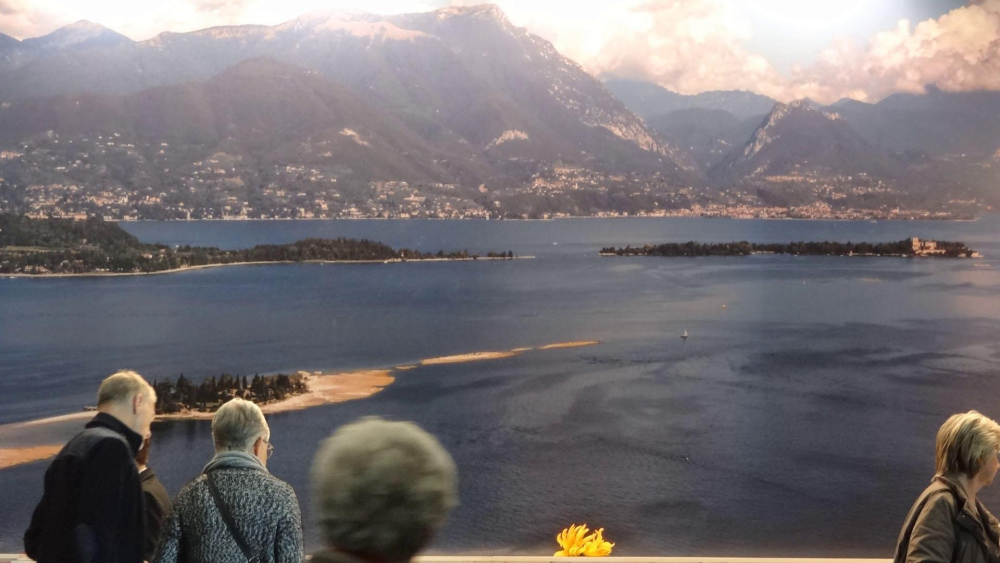
Van der Put places historical, contemporary and future images of the Model Neighbourhood next to images of an amusement park like Mini Europe, which is close to the Atomium, another 'landmark' of Expo '58. The Atomium visualizes the belief in technology with its form which is based on an elementary cell of iron. Mini Europe wants to show visitors the most important buildings and monuments in Europe in miniature format. In the film 'Mall of Europe' the park – with its didactic purpose – forms a new layer in which a tightly structured society takes shape. These images are woven into fictitious marketing images of the newly developed model district, where the (dreamed) users are clearly orchestrated. Images shot at home- and holiday fairs in the 'Brussels Expo' event halls further enhance this wishful thinking.
The imagination of an ideal society is rooted in the idea that reality can be 'reproduced' in a more realistic manner through technological developments. This is in line with the existing belief in progress through technology, that is also evident in the projects realized during the world exhibition in 1958. Strikingly, it is being further developed in the current building plans as well. In his recent essay on dioramas, author Christophe Van Gerrewey refers to what Walter Benjamin calls the 'hopelessness of mimesis' or the imitation of the perceptible reality. 'The emergence of modern media - with panoramas and dioramas as prototypes -,' writes Van Gerrewey, ‘coincides for Benjamin with the beginning of a modernity that brings people into a dream state, and promises them something without fulfilling that promise, while they are hardly able to awaken from an increasingly mediatised reality.' In 'Mall of Europe' different forms of mimesis are placed over and next to each other, whereby the illusion of modernity takes on different forms, but is essentially unchangeable.
As soon as the dream image is realized, as is the case with the model neighbourhood built in 1958, the lived and experienced reality turns out to be different from the one projected. The built society, with 'modern' materials such as specular aluminium and glass, elaborates on this observing and the desire for transparency, so that the dreamed life remains literally visible in the realized model. However, in the video 'Mall of Europe' several windows are covered by curtains or tape. Here the gaze stops, together with the dreaming.
Text by Noor Mertens